Buying plastic crates for resale starts with understanding what your customers need to store and move. A useful product range should have clear applications, documented specifications and a practical route to repeat orders.
For regional distributors, importers and wholesalers, the first decision is which customer needs each model will serve. This guide explains how to build an initial range, prepare a supplier enquiry and confirm the details before a bulk purchase.
Build Your Range Around Customer Applications
Start with the customers you already serve. Warehouse equipment buyers, retail stockrooms and manufacturers may need different wall designs, lids and handling arrangements.
Record the goods being handled, their dimensions, the weight placed in each crate and how the container will move. If you sell to several industries, group enquiries by these requirements before choosing stock.
A focused starting range is easier to explain and validate. Add another model when it addresses a distinct requirement, such as a different usable internal size or a need for covered storage.
Give Each Product Type a Clear Role
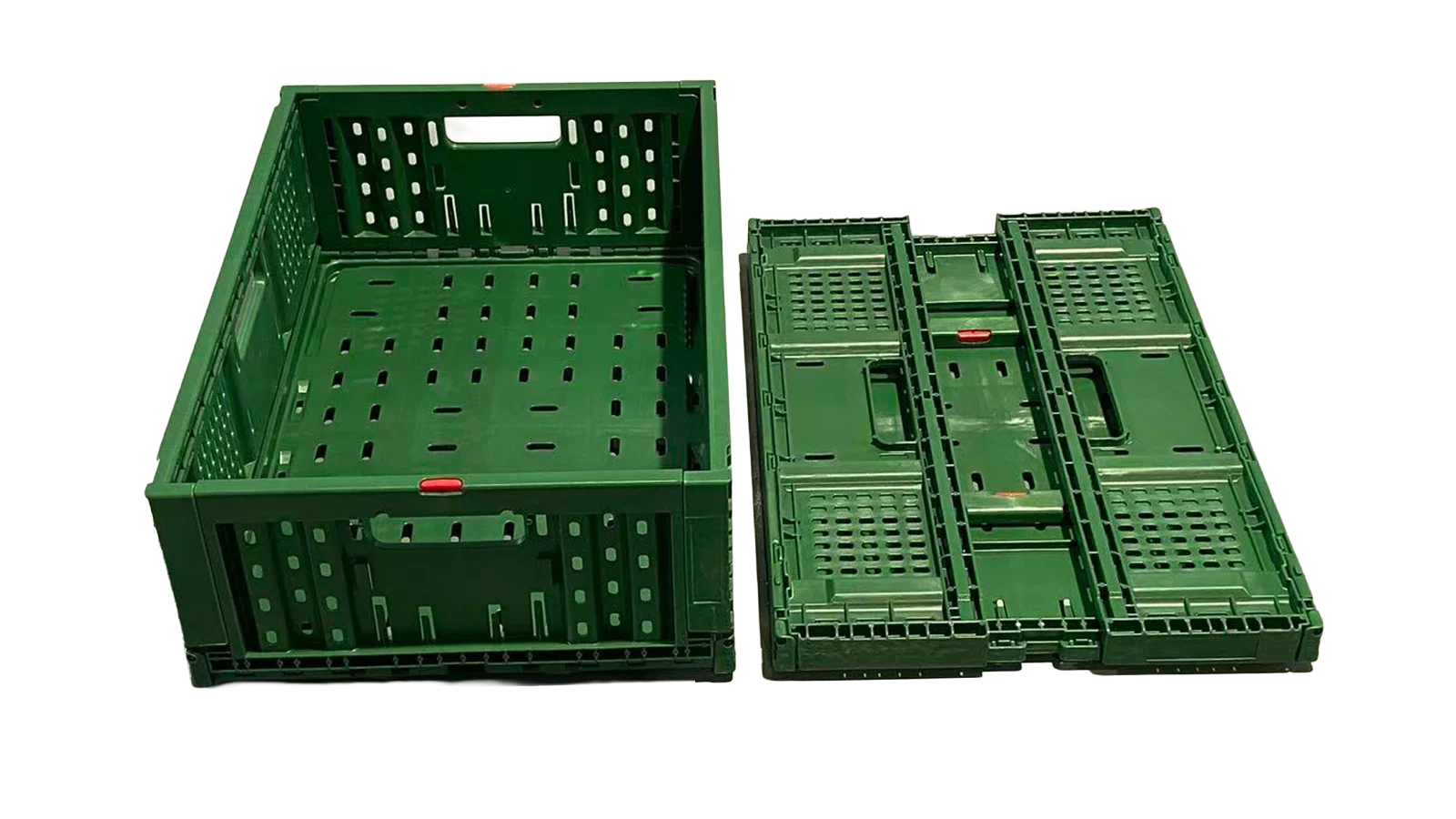
Collapsible plastic crates fold down after unloading. They are worth evaluating where customers repeatedly store or return empty containers. Compare the actual folded stack arrangement for the selected model.
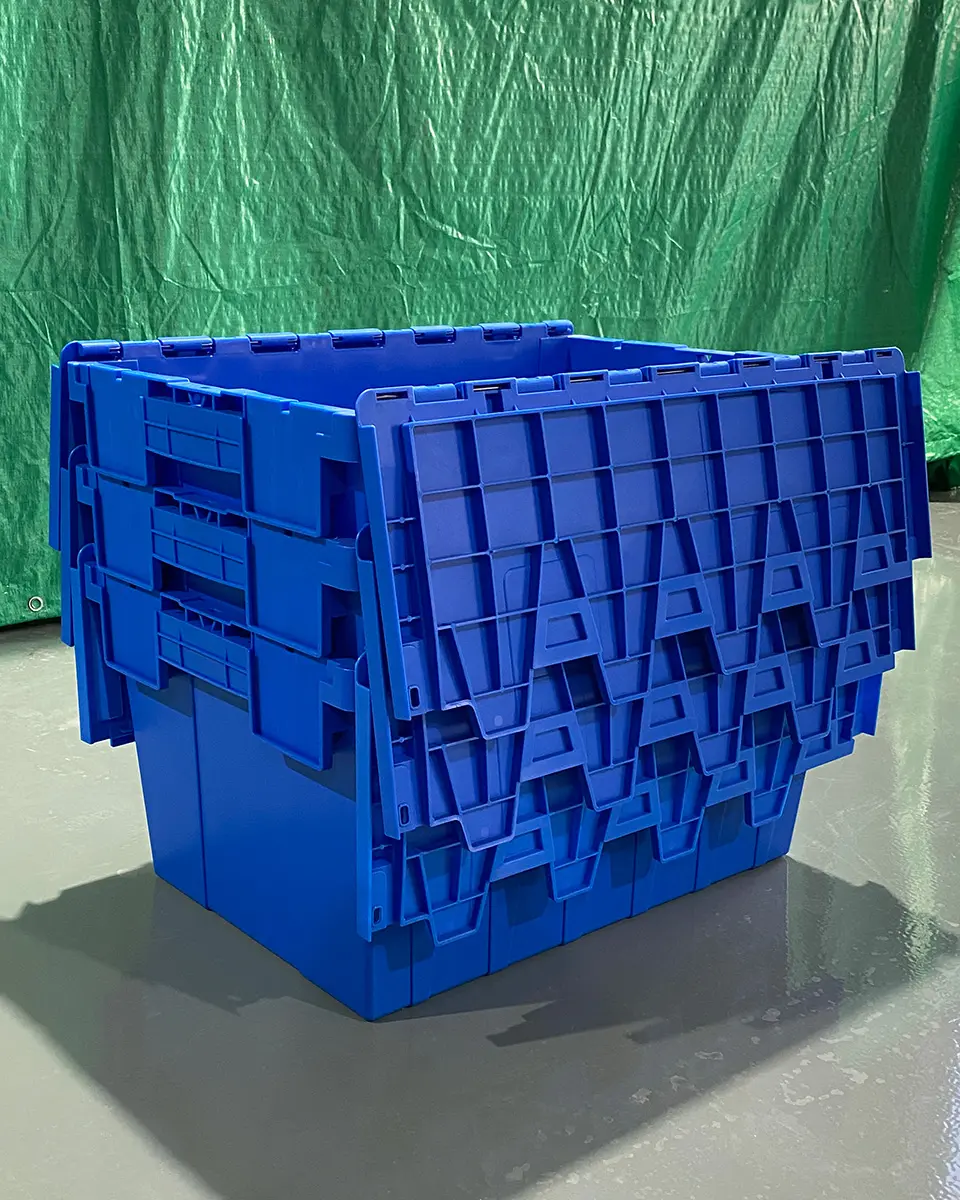
Attached-lid containers use hinged lids connected to the body. Compatible units stack with the lids closed and nest when empty with the lids open. They offer a different handling arrangement from folding crates.
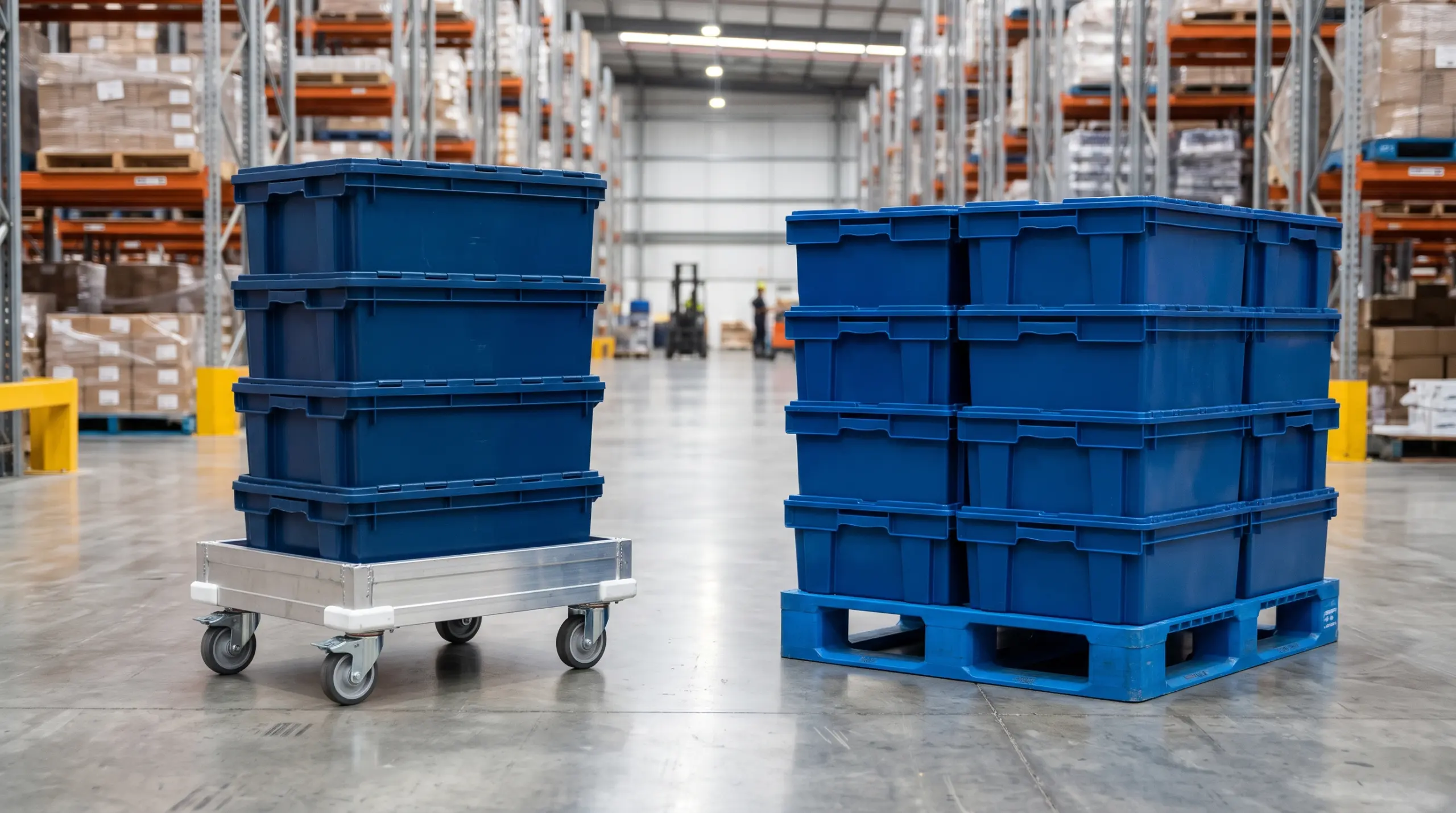
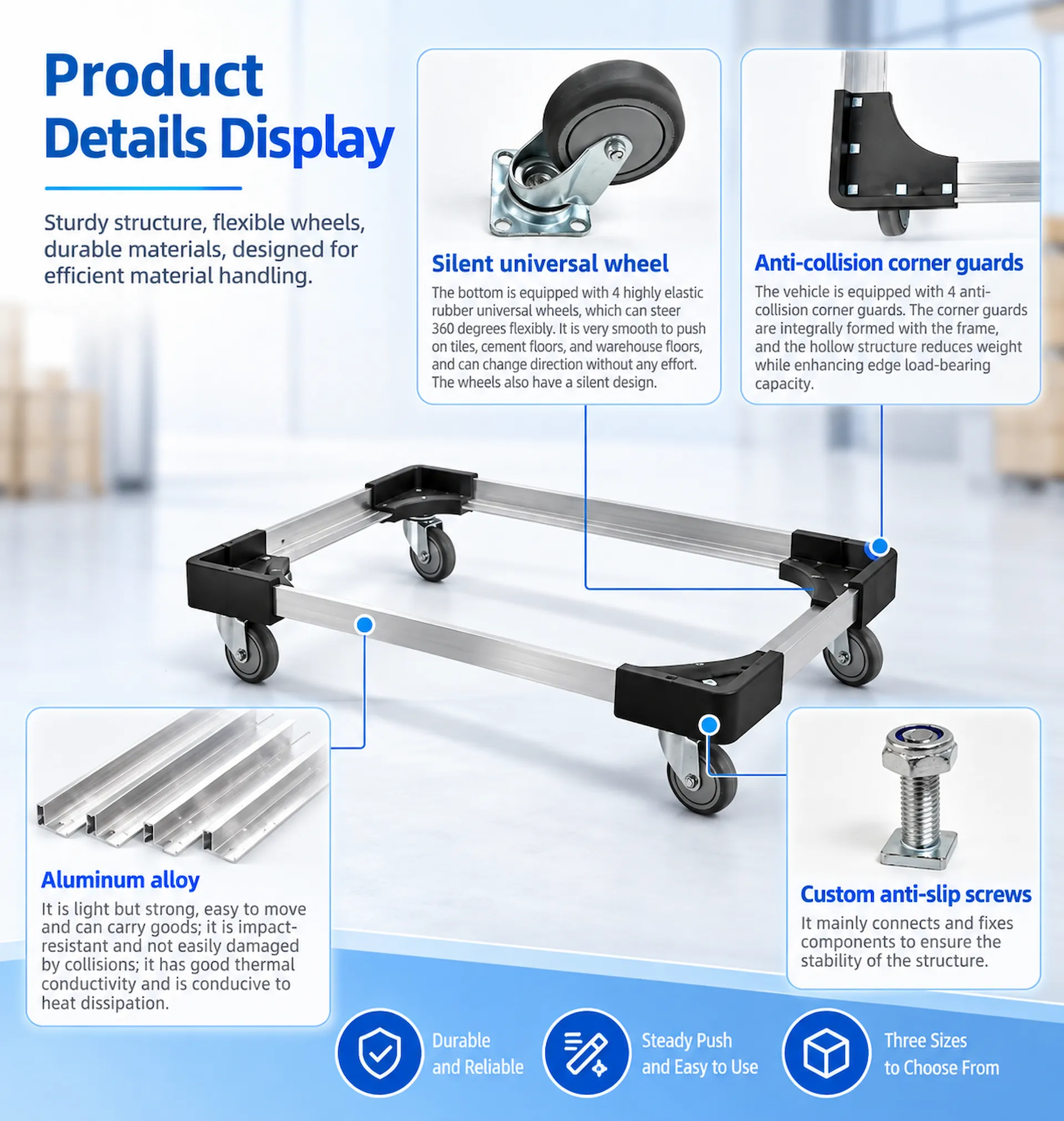
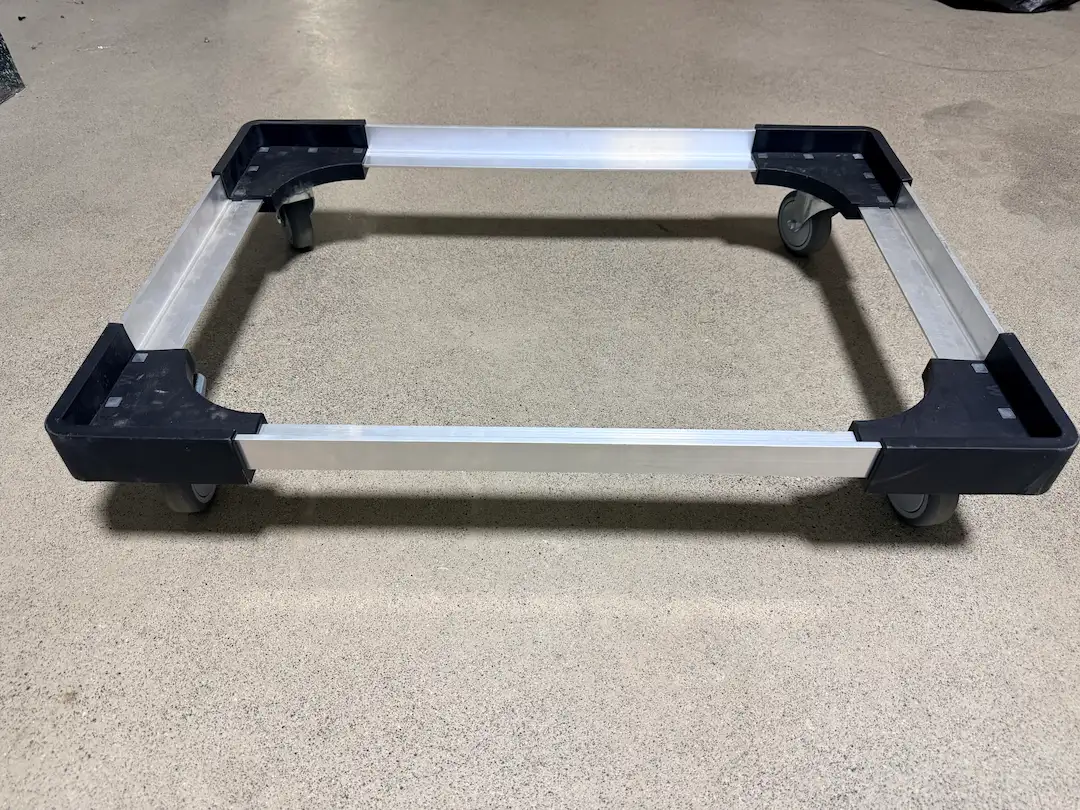
Crate dollies provide mobile bases for matched containers. Offering a verified crate-and-dolly combination can help customers source both items together. Check the container base, locating frame, total loaded weight and operating route before describing them as compatible.
Keep these differences clear in quotations and product listings. Folding and nesting describe different mechanisms, and similar-looking containers may have different handling requirements.
Prepare a Specification Record for Every Model
Before promoting a model, obtain a dated specification sheet identifying the product and configuration.
Include external dimensions, usable internal dimensions, empty weight, material, wall and base construction, and lid or folding details. Add folded dimensions or empty nesting information where applicable.
Load information needs its stated conditions. Ask whether a figure describes the contents carried, a stacking arrangement or a particular test demonstration. Record the support surface, load distribution and other applicable conditions. A test video alone does not establish a general working-load rating.
Use the confirmed record for your catalogue, customer quotations and future orders. Keep model codes and configuration details together so a repeat order can be checked against the original supply.
Approve Samples for the Customers You Intend to Serve
Ask the supplier which sample options are available before committing to a bulk order.
Check whether representative goods fit through the opening and inside the crate. Operate lids or folding panels, review label positions and test the model with the handling equipment your customer uses.
For a distributor trial, record both technical fit and customer feedback. Which applications suit the model? Which requirements remain unanswered? Use those findings to decide which models deserve an initial stock order.
Keep the approved sample reference, drawing and agreed configuration. These provide a basis for checking the bulk delivery.
Compare Quotations on the Same Basis
Send each supplier the same requirements and ask them to identify what their offer includes.
| Quotation item | Detail to confirm |
|---|---|
| Product | Model, dimensions, material and configuration |
| Quantity | Units required per model and applicable order quantities |
| Accessories | Lids, labels, printing or matched dollies |
| Packing | Units per package and packed dimensions and weight |
| Supply arrangements | Production schedule, delivery destination and included services |
Packed dimensions matter when planning transport and storage. Ask for the packing arrangement for the actual order rather than estimating shipment volume from a single open crate.
Confirm which colour or logo options are available for the selected model and quantity. If these change the quotation or schedule, have the revised offer identify them clearly.
Discuss Regional Distribution and Wholesale Cooperation With KEYUN
KEYUN welcomes enquiries from regional distributors, importers, plastic product wholesalers and warehouse equipment suppliers. We combine manufacturing capabilities and export coordination in China for collapsible plastic crates, attached-lid containers and crate dollies.
To discuss cooperation, send us a short introduction to your company, your country or sales region, and the customer groups you serve. Include the products you are considering, estimated quantities and any size, load or application requirements.
Tell us whether you want to hold stock for resale, source products for individual customer projects or purchase for your own operation. This helps us discuss suitable models and the proposed supply arrangement.
Contact KEYUN to request product information, a bulk-order quotation or a discussion about regional distribution cooperation.